


Staffing Trends 2026: How Firms Win with Speed, Trust, and Compliance
7 min read
Published
Feb 06, 2026

Hiring in 2026 looks very different from just a few years ago. Demand remains strong, but staffing leaders are navigating new challenges: shifting candidate expectations, technology disruptions, regulatory pressure, and increased competition for top talent. The firms that will lead this next chapter are those that deeply understand these challenges, and respond with speed, clarity, and modernized processes.
Every step of the hiring process, from sourcing and interviewing to background screening and onboarding, needs to work together to drive speed and trust. When one stage suffers, the entire process feels the impact, affecting both placements and the candidate experience.
Below, we explore staffing industry trends for 2026, how they’re influencing every stage of the hiring process, and what firms must do to drive successful placements.
Artificial Intelligence (AI) is Reshaping Staffing
AI tools for staffing agencies are transforming how they source, engage, and evaluate candidates. From automating resume screening to predicting candidate success, AI can help recruiters work smarter and faster. 61% of staffing firms are already using AI, which is up from a staggering 48% in 2024.

Some key applications of using AI in staffing include:
- Smarter Candidate Communication: Instead of recruiters juggling constant check-ins, AI chatbots keep can candidates in the loop with real‑time updates, quick answers, and consistent engagement, reducing drop-off caused by slow response times.
- Predictive Analytics: AI is also helping recruiters identify candidates that are more likely to succeed and stay, enabling recruiters to make better placements the first time.
- Workflow Optimization: AI surfaces bottlenecks and inefficiencies that are easy to miss. By highlighting friction points, it frees recruiters time to focus on human connection and strategic decision‑making vs admin work.
However, using AI comes with important considerations:
- Compliance: As AI becomes more integrated into the hiring process, it’s essential that all tools and systems adhere to EEOC and any applicable state or local guidelines. This proactive approach protects both candidates and agencies.
- Bias Mitigation: Organizations should also routinely evaluate AI models for fairness, transparency, and unintended bias. Conducting regular audits not only strengthens ethical hiring standards but also reinforces trust among candidates and stakeholders. Such audits may even be required under applicable legislation or regulations.
- Human Touch: While AI can enhance efficiency, maintaining human oversight remains essential. Recruiters provide the contextual understanding, empathy, and judgment needed to navigate nuanced cases and ensure that candidates feel valued throughout the hiring process.
Candidate Drop-Off is a Real Threat
Ghosting has quietly become one of the biggest threats to placement success. In SHRM’s 2025 Talent Trends Report, it reported that 41% of recruiters report seeing candidates ghosting during the interview process.
Why are candidates walking away?
- Slow response times
- Complicated workflows
- Lack of status visibility
- Delays in screening or onboarding
To reduce drop-off rates, staffing agencies need to rethink their processes to remove friction. How staffing agencies reduce candidate ghosting:
- Communicate Early and Often: Automate first-response messages and early touchpoints, use AI tools to answer questions and schedule interviews if possible, and proactively communicate any delays to keep candidates engaged and prevent ghosting.
- Make Background Screening Fast and Transparent: Clearly outline the background check process and what’s being checked, such as employment verification, criminal background checks, credentialing, to help set expectations and reduce anxiety.
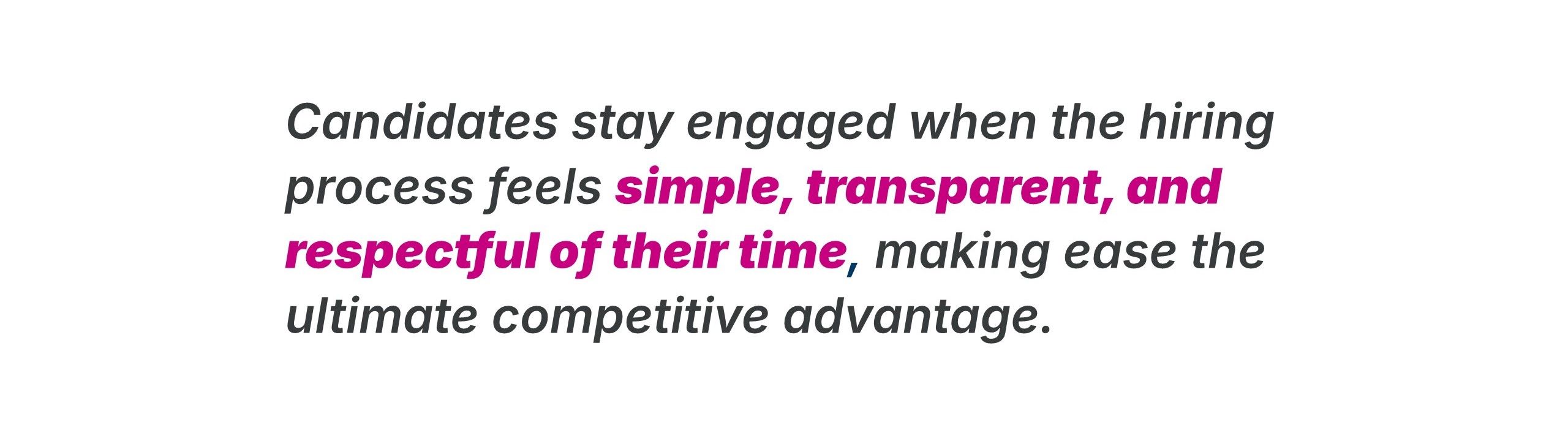
Partnering with a background screening vendor with staffing expertise can help make a measurable difference, as they are often better equipped to handle the speed, scale, and compliance demands of high-volume hiring. - Simplify Onboarding: Consolidate tasks into a single workflow, automate document collection, and give candidates real-time updates. When the process feels streamlined and transparent, candidates stay engaged instead of dropping off.
Regulatory Complexity is Growing
Employers are navigating an increasingly shifting legislative and regulatory landscape. As more states and cities introduce new requirements, including fair chance hiring mandates and clean slate laws, staffing agencies must keep up to reduce potential legal exposure, while also maintaining their reputation.
To mitigate these risks, staffing firms should consider:
- Automating Compliance Workflows to Reduce Errors: Automation is emerging as a way for staffing firms to reduce risk by applying appropriate hiring rules for each state or city so background screenings follow the correct timing and notices across jurisdictions.
- Standardizing Adverse Action Processes Across Jurisdictions: Creating a consistent, centralized workflow for pre-adverse and adverse action (including required notices, waiting periods, and candidate engagement opportunities) can help staffing agencies avoid missteps that can trigger lawsuits.
- Leveraging Technology to Stay Ahead of Regulatory Changes: With regulations changing consistently, technology and automated tools are playing a growing role in helping staffing firms align their hiring practices with up-to-date state and local requirements.
Embedding compliance into every step allows staffing agencies to operate quickly, safely, and confidently. To stay ahead of evolving regulations, teams can rely on sources like our Compliance Hub, which provides clear, up-to-date educational information on changing laws and best practices.
Tech Fragmentation is Slowing Staffing Teams Down
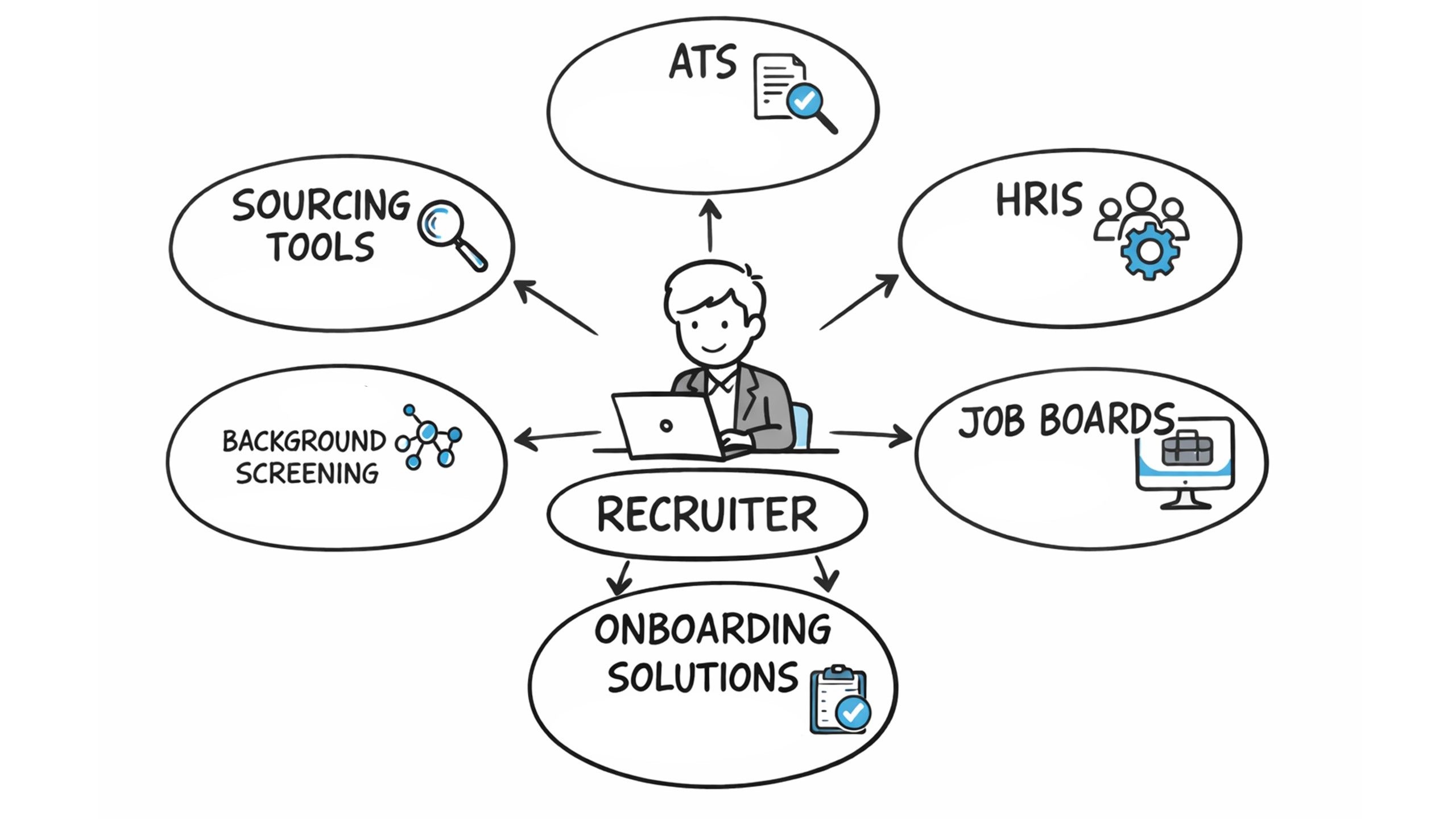
Recruiters are managing more tools than ever: Applicant Tracking Systems (ATS) and Human Resource Information Systems (HRIS), sourcing platforms, onboarding solutions, and background screening systems, just to name a few. When these platforms don’t connect, delays multiply.
Recruiters spend valuable time chasing status updates, duplicating data entry, and fixing avoidable errors instead of focusing on what’s most important: engaging and placing their candidates.
To overcome this challenge, there are several steps staffing agencies can take:
- Unify Workflows Across Sourcing, Screening, and Onboarding: When all steps of the hiring lifecycle feed into a single workflow, recruiters no longer have to jump between systems or manually track where a candidate stands. This reduces handoffs, eliminates confusion, and keeps candidates moving.
- Implement Real-time Data Syncing for Better Visibility: Instant updates enable recruiters to see interview status, screening progress, and onboarding steps without refreshing multiple dashboards. This means fewer bottlenecks and faster response.
- Prioritize ATS Platforms with Strong Integration Capabilities: Platforms built to integrate, especially background screening partners with strong ATS and HRIS connectivity, remove the friction that often leads to manual rework. The more the systems sync automatically, the smoother and faster the process becomes.
How Quality Background Screening for Staffing Agencies Support Today's Demands
While every stage of the hiring process plays an essential role in achieving fast, high-quality placements, background screening deserves extra attention. It’s often the turning point that determines whether candidates feel supported or left in the dark.
A strong background screening process supports:
- Maintaining hiring momentum
- Reducing candidate uncertainty
- Meeting compliance goals across jurisdictions
- Protecting client relationships
- Building a reputation for speed and reliability
And for staffing firms, the stakes are even higher. High-volume environments, tight client expectations, and fast-moving candidate pipeline make it necessary for background screening to work smoothly. Establishing a thorough background screening program involves speed, accuracy, consistency, and compliance across a wide range of roles and industries. When screening supports the broader hiring process, rather than slowing it down, staffing firms are better equipped to deliver the trust and confidence that define successful placements.
Where Staffing Goes from Here
Staffing agencies that prioritize speed, candidate experience, and compliance by leveraging technology and AI to simplify complexity will win in 2026. But the real differentiators will be the staffing firms willing to innovate beyond the traditional playbook. The most successful firms will experiment with new engagement strategies, adopt emerging tools early, and build agile, tech-forward processes that can evolve.
Agencies that continually ask, “What’s next?” will shape the future of staffing, and confidently lead it.
Learn more about Asurint’s background screening solutions for staffing agencies
Sources:
- SHRM - Talent Trends Report 2025: https://www.shrm.org/about/press-room/candidate--ghosting--and-employer-competition-are-fueling-talent
- Staffing Hub - State of Staffing: https://staffinghub.com/state-of-staffing/ai-isnt-optional-anymore-how-staffing-firms-are-using-it-to-win-in-2025/
You might also like

Rebuilding the Manufacturing Workforce: Skills, Safety, and Staffing Realities
Take a closer look at the trends reshaping the manufacturing workforce this year and what hiring teams need to know to keep production running smoothly.

The Cost of Cutting Corners: 6 Reasons Why Quality Tenant Screening Matters
Here are six ways that cutting corners in the screening process can lead to both direct financial losses and hidden long-term impacts.
2026 Hiring, Screening, & Compliance Trends: Key Insights from Industry Experts
Uncover 2026 insights from fair chance legislation to emerging AI regulations to the tools employers are prioritizing this year.