

3 Ways Trucking Fleets Can Stay Competitive in 2026
5 min read
Published
Jan 26, 2026

The transportation industry is at a crossroads. Recruiting and retaining qualified drivers has always been a challenge, but today’s environment adds new layers of complexity. From shifting generational expectations to evolving compliance requirements, fleets must adapt quickly, or risk falling behind.
At the Women in Trucking Association event, Alla Schay, CEO of Asurint, joined a panel of transportation leaders to explore strategies for tackling the industry’s persistent driver shortage. We highlight three major trends shaping the transportation industry in 2026 and practical steps fleets can take to stay competitive.
1. Recruiting the Next Generation of Drivers
One of the biggest challenges fleets are facing is attracting younger talent. Although Gen Z is projected to account for 30% of the U.S. workforce by 2030, they currently only make up 7.5% of U.S. truck drivers. Overlooking this generation is both risky and unsustainable.

Gen Z is entering the workforce with very different expectations than previous generations. They value convenience, speed, and transparency, and they’re not willing to tolerate outdated processes. Traditional recruitment methods, like lengthy forms and repetitive data entry, don’t resonate with these candidates.
Instead, fleets need to create a frictionless experience that mirrors the ease of ordering from Amazon. That means integrating recruiting platforms with background screening tools, so information flows seamlessly, reducing redundant steps, and accelerating the hiring process.
2. Leveraging Data for Smarter Decisions
Data has evolved from being a simple compliance requirement to becoming one of the most powerful strategic assets in fleet management. Today’s leading fleets are using data not just to check boxes, but to make informed decisions that improve efficiency, reduce risk, and strengthen retention. Here’s how:
- Faster, More Accurate Screening: Automated platforms now allow fleets to process criminal background checks and motor vehicle records in a fraction of the time it used to take. This means fewer delays in onboarding and greater confidence in the accuracy of results. By reducing turnaround times, fleets can fill critical roles quickly without sacrificing quality or compliance.
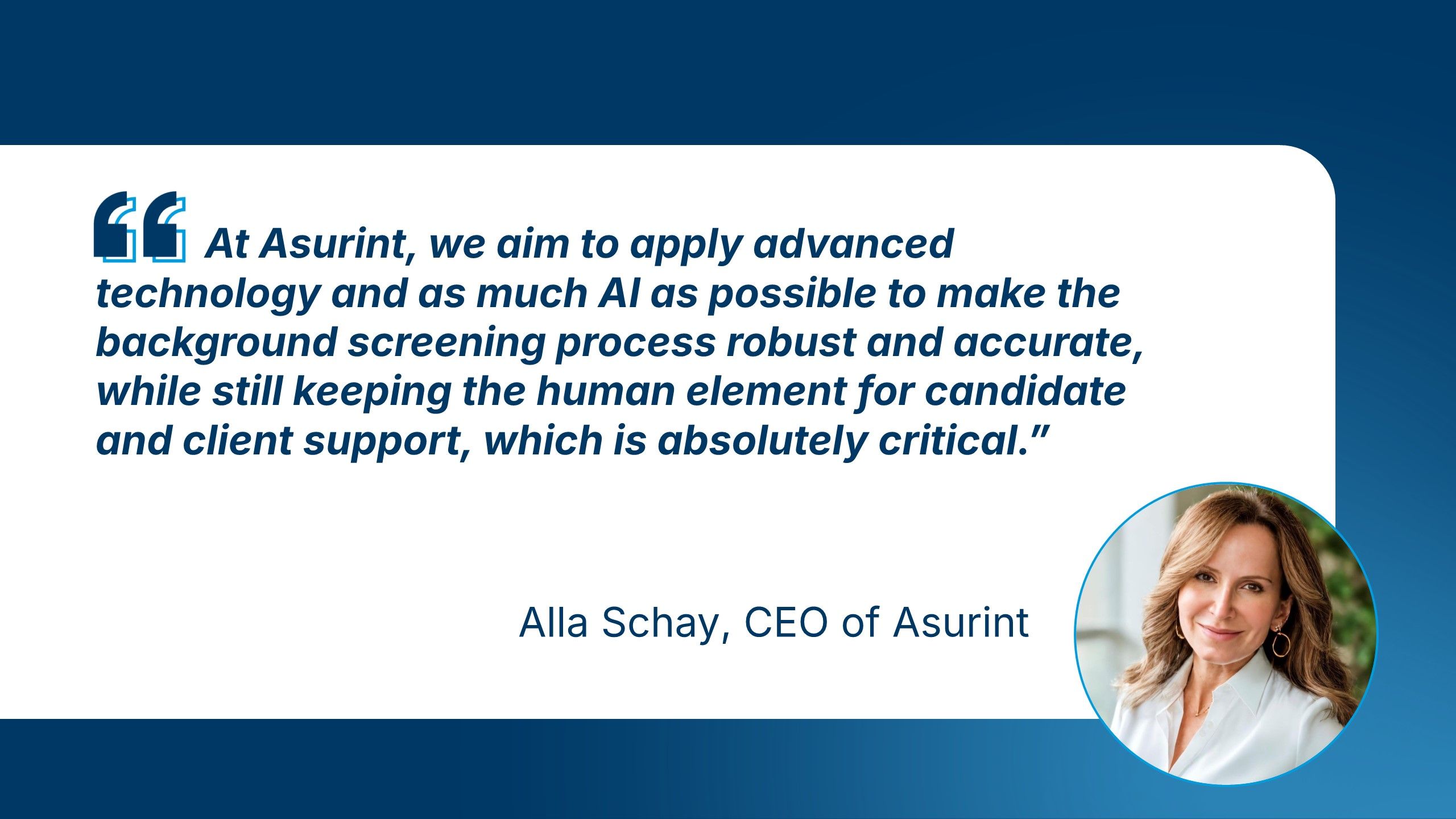
During the Women in Trucking panel discussion, Alla touched more on how Asurint is driving the hiring experience to be as frictionless as possible: “Data flows seamlessly from the recruiting platform into the background check process. At Asurint, we aim to apply advanced technology and as much AI as possible to make the background screening process robust and accurate, while still keeping the human element for candidate and client support, which is absolutely critical.”
Partnering with a background screening provider in transportation adds another layer of value, bringing industry-specific expertise, compliance knowledge, and solutions that address the unique challenges fleets face. - Insights for Planning and Retention: Data analytics provide visibility into hiring trends across different regions, helping fleets anticipate challenges before they arise. For example, understanding how long it typically takes to hire in certain markets allows managers to allocate resources more effectively and avoid bottlenecks. These insights also help identify patterns that lead to higher turnover, enabling proactive strategies to keep drivers engaged.
- Motor Vehicle Record (MVR) Monitoring as a Retention Tool: MVR monitoring isn’t about surveillance, it’s about prevention. By tracking key indicators, fleets can detect early warning signs such as license status changes or minor infractions before they escalate into major issues. This proactive approach helps protect careers, reduce liability, and maintain safety standards without creating a culture of fear.
3. Expanding the Candidate Pool Through Fair Chance Hiring
One trend gaining momentum in the transportation industry is fair chance hiring; bringing in candidates with prior criminal records. With nearly 80 million Americans carrying a criminal record (almost one in three adults), this approach represents a significant opportunity to widen the talent pool at a time when driver shortages remain a critical challenge. Beyond filling seats, fleets that embrace fair chance policies often see stronger loyalty and improved retention, as these hires are highly motivated to succeed.

Advocates of fair chance hiring argue that it isn’t about lowering standards; it’s about judging candidates on their merit rather than their rap sheet. This approach may not be right for every position being filled, but for those considering adopting a fair chance program, here are some questions that should be asked:
- Is our current hiring policy truly designed to protect safety, or are they unintentionally acting as blanket exclusion policies?
- How do our policies align with our stated values around diversity, inclusion, and social responsibility?
- What risks are we trying to mitigate, and are there more effective ways to manage those risks without eliminating qualified candidates?
- How can we ensure fairness while maintaining compliance and safety standards?
The Road Ahead: Turning Trends into Action
As an industry that is constantly evolving, trucking fleets that rely on outdated strategies will struggle to compete. By embracing technology, expanding hiring strategies, and leveraging data, fleets can not only keep pace with change, but they can lead it with confidence.
The key is balance: speed without sacrificing quality, automation without losing the human touch, and innovation grounded in compliance. Trucking carriers who get it right will build stronger teams, improve retention, and position themselves for long-term success.
Learn more about our transportation background screening services.
You might also like

Rebuilding the Manufacturing Workforce: Skills, Safety, and Staffing Realities
Take a closer look at the trends reshaping the manufacturing workforce this year and what hiring teams need to know to keep production running smoothly.

The Cost of Cutting Corners: 6 Reasons Why Quality Tenant Screening Matters
Here are six ways that cutting corners in the screening process can lead to both direct financial losses and hidden long-term impacts.
2026 Hiring, Screening, & Compliance Trends: Key Insights from Industry Experts
Uncover 2026 insights from fair chance legislation to emerging AI regulations to the tools employers are prioritizing this year.